Enhancing Infrastructure Strength with Durable Steel Pipe
Release time:2026-02-01 Click:10
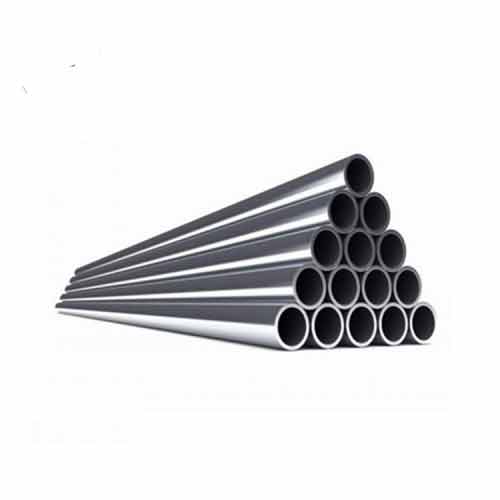
The backbone of modern construction and industrial infrastructure relies heavily on materials that combine strength with longevity. Among these materials, steel pipe stands out as a fundamental component used in a vast array of applications. From transporting water and gas to providing structural support in skyscrapers, the versatility of this material makes it indispensable in today's engineering and construction projects.
One of the primary reasons for the widespread use of steel pipe is its incredible tensile strength and durability. Unlike plastic or concrete alternatives, steel can withstand high pressure and extreme temperature fluctuations without deforming or breaking. This resilience makes it the preferred choice for transporting hazardous chemicals, oil, and natural gas over long distances, ensuring safety and reliability in critical utility networks.
In the realm of construction, steel pipe serves a dual purpose: it is used both for conveying fluids and for structural support. Builders often use steel pipes as piling for deep foundations or as columns in large buildings because of their ability to bear heavy loads. Their high strength-to-weight ratio allows architects to design structures that are both robust and aesthetically pleasing without requiring excessively thick support beams.
Corrosion resistance is another significant advantage, especially when using modern alloys or coated steel pipes. While traditional iron is prone to rust, advancements in metallurgy have produced galvanized and stainless-steel varieties that resist oxidation. This means that a steel pipe can be used in harsh environments, such as underground or in marine settings, with a significantly extended service life and reduced maintenance costs.
The adaptability of steel pipe also extends to its connectivity and fabrication. Pipes can be easily welded, threaded, or flanged to fit into complex systems, allowing for customized configurations in plumbing and industrial machinery. This ease of modification means that engineers can design intricate networks of pipelines that are precisely tailored to the specific needs of a facility, whether it be a power plant or a residential complex.
In conclusion, the steel pipe remains a cornerstone of industrial development due to its unmatched strength, durability, and versatility. Whether hidden beneath the ground transporting vital resources or visible as part of a building's architecture, it plays a crucial role in modern life. As infrastructure needs continue to grow, the demand for high-quality steel piping is set to remain a constant in the global economy.
Previous article:Ensuring Longevity and Strength with a Reliable Galvanized Pipe
Next article:Building Projects Metal Pipe Heavy-Duty Load Capacity
Hot products
Mobile: +86 15369229308
Email:metalproducts2025@163.com
Email:565169797@qq.com