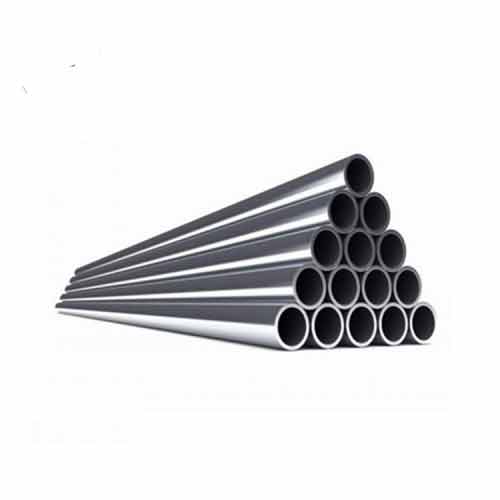
Welded Carbon Steel Metal Pipe
Release time:2026-03-07 Click:7
Welded carbon steel metal pipe is an industrial staple engineered for reliable fluid and gas transportation, structural support, and infrastructure projects across manufacturing, construction, and energy sectors. Constructed from high-grade carbon steel (typically A53, A333, or A106 grades), these pipes are formed by rolling steel sheets into cylindrical shapes and welding the seams—either through electric resistance welding (ERW) or submerged arc welding (SAW)—resulting in a robust, leak-resistant structure. Unlike seamless carbon steel pipes that are more expensive and limited in size, welded carbon steel pipes offer cost-effectiveness and scalability, with diameters ranging from ? inch to over 48 inches, making them suitable for large-scale applications like water pipelines, oil and gas transmission, and industrial process systems.
The core advantage of welded carbon steel metal pipe lies in its exceptional strength and structural integrity. The welding process fuses the steel sheets into a unified structure that withstands high pressure, temperature fluctuations, and mechanical stress—critical for applications such as steam boilers, chemical processing, and structural framing. ERW pipes, with their precise, high-speed welding, deliver uniform seam strength, while SAW pipes offer thicker walls and superior durability for heavy-duty use. Unlike plastic or fiberglass pipes that lack rigidity, welded carbon steel pipes maintain their shape under load, preventing sagging or deformation in underground or overhead installations. Their ability to handle operating pressures up to 10,000 psi (depending on grade and wall thickness) makes them indispensable for high-pressure fluid transport in industrial settings.
Durability and versatility are key strengths of welded carbon steel metal pipe, ensuring adaptability across diverse environments. Carbon steel’s inherent resistance to wear, impact, and corrosion (when properly coated) allows the pipes to perform reliably in indoor, outdoor, and harsh industrial conditions. Many welded carbon steel pipes are treated with anti-corrosion coatings such as galvanization, epoxy, or coal tar enamel, extending their service life in humid, coastal, or chemical-exposed environments. Unlike stainless steel pipes that are cost-prohibitive for large projects, carbon steel pipes offer a balance of performance and affordability. They are compatible with various joining methods, including welding, threading, and flanging, enabling seamless integration into existing systems—from residential plumbing to industrial process lines.
Ease of fabrication and cost-effectiveness further solidify welded carbon steel metal pipe as an industry standard. The pipes can be easily cut, bent, and welded on-site, allowing for custom configurations to fit project-specific requirements, such as complex routing or structural modifications. Their availability in standard lengths (typically 20 or 40 feet) and wide range of wall thicknesses (Schedule 10 to Schedule 160) ensures flexibility for different pressure and load needs. Compared to seamless pipes, welded carbon steel pipes have lower production costs, making them a budget-friendly choice for large-scale projects like water distribution networks and building infrastructure. With minimal maintenance requirements (periodic inspection and corrosion protection), these pipes offer long-term reliability, reducing lifecycle costs for industries dependent on efficient, durable piping systems.
Previous article:Building Projects Metal Pipe High-Pressure Performance
Next article:no more
Hot products
Mobile: +86 15369229308
Email:metalproducts2025@163.com
Email:565169797@qq.com