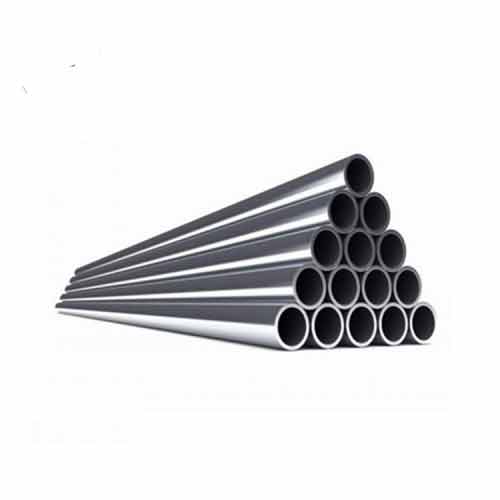
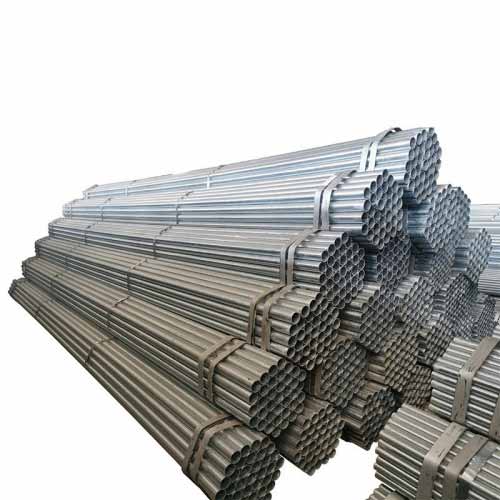
Product details description
Carbon steel pipes and stainless steel pipes are two of the most widely
used piping materials in industrial, commercial, and residential applications,
each offering distinct properties that make them suitable for different
scenarios. The choice between carbon steel and stainless steel pipes depends on
a variety of factors, including the operating environment, fluid or gas being
transported, temperature and pressure requirements, cost, and maintenance needs.
A thorough comparison of these two materials is essential to ensure that the
selected pipe meets the project’s specific requirements, providing reliable
performance and cost-effectiveness over its lifespan.
Material composition is the fundamental difference between carbon steel and
stainless steel pipes, influencing their key properties. Carbon steel pipes are
primarily composed of iron and carbon, with small amounts of other elements such
as manganese and silicon. The carbon content determines the strength and
hardness of the pipe—higher carbon content results in stronger, harder pipes but
reduces ductility. Stainless steel pipes, by contrast, are alloyed with at least
10.5% chromium, which forms a protective oxide layer on the surface, providing
excellent corrosion resistance. Most stainless steel pipes also contain nickel,
which enhances ductility and further improves corrosion resistance. This
difference in composition gives stainless steel pipes superior corrosion
resistance, while carbon steel pipes offer higher strength at a lower cost.
Corrosion resistance is a critical factor in selecting between carbon steel
and stainless steel pipes. Carbon steel pipes are prone to rust and corrosion
when exposed to moisture, oxygen, or corrosive fluids, making them suitable for
applications involving non-corrosive fluids such as water, oil, and gas in dry
environments. To improve corrosion resistance, carbon steel pipes are often
coated with galvanization, paint, or epoxy. Stainless steel pipes, however, are
highly resistant to corrosion, even in harsh environments such as coastal areas,
chemical plants, or applications involving corrosive fluids like acids and
bases. The protective oxide layer on stainless steel self-heals if damaged,
ensuring long-term corrosion resistance without the need for additional
coatings.
Temperature and pressure resistance are important considerations for
high-performance applications. Carbon steel pipes excel in high-pressure
applications, as their high carbon content provides excellent tensile strength
and durability. They are commonly used in oil and gas pipelines, power plants,
and industrial process systems where high pressure is a requirement. However,
carbon steel pipes have limited high-temperature resistance—they can become
brittle at temperatures above 450°C, reducing their reliability. Stainless steel
pipes offer better high-temperature resistance, maintaining their strength and
ductility at temperatures up to 870°C, making them suitable for high-temperature
applications such as boilers, heat exchangers, and chemical processing
systems.
Cost and maintenance are key economic factors in the comparison. Carbon
steel pipes have a lower initial cost than stainless steel pipes, making them a
popular choice for cost-sensitive applications. However, they require more
frequent maintenance, including regular inspections and re-coating to prevent
corrosion, which increases long-term operational costs. Stainless steel pipes
have a higher initial cost but lower maintenance requirements, as their
corrosion resistance eliminates the need for frequent coatings and repairs.
Additionally, stainless steel pipes have a longer lifespan, reducing replacement
costs over time. The selection between the two materials should consider the
total cost of ownership, balancing initial cost with long-term maintenance and
replacement expenses to ensure the most cost-effective solution.
Previous article:
Seamless vs Welded Metal Pipe Production Methods
Next article:no more