The Best Metal Pipe for a Water Treatment Plant
Release time:2026-01-04 Click:31
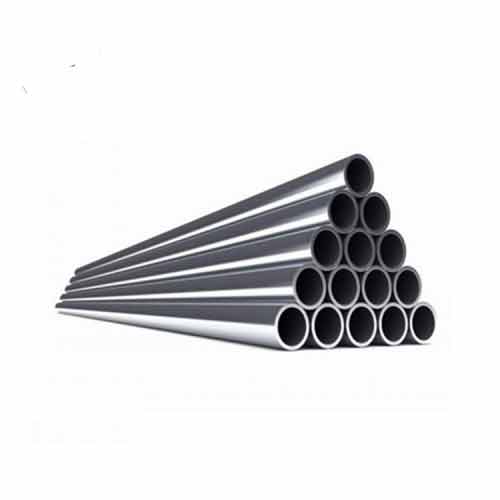
Stainless steel pipes, particularly grades 304 and 316, represent the optimal metal piping solution for water treatment facilities due to their exceptional corrosion resistance and hygienic properties. The chromium-nickel-molybdenum composition of these alloys forms a self-repairing passive oxide layer that withstands constant exposure to chlorinated water, chemical treatment agents, and fluctuating pH levels without degradation. Unlike carbon steel alternatives that require extensive protective coatings, stainless steel maintains structural integrity while preventing contamination from rust particles or coating breakdown products. The smooth internal surface finish minimizes biofilm formation and facilitates thorough cleaning during maintenance cycles, critical factors in maintaining water quality standards throughout treatment processes.
The mechanical properties of stainless steel pipes deliver long-term reliability in demanding water treatment environments where pressure fluctuations and thermal cycling are routine operational conditions. High tensile strength combined with excellent ductility allows these pipes to absorb mechanical stresses without cracking or developing fatigue failures that compromise system integrity. The material's thermal expansion characteristics are well-matched to common joining methods including orbital welding and mechanical fittings, creating leak-free connections that maintain performance across temperature ranges from freezing influent conditions to heated disinfection processes. This dimensional stability prevents the joint failures and seal degradation that commonly plague alternative piping materials in continuous-duty water treatment applications.
Lifecycle analysis consistently demonstrates stainless steel's superiority for water treatment infrastructure despite higher initial material costs. The exceptional service life exceeding fifty years in many installations eliminates recurring replacement expenses and operational disruptions associated with pipe failures. Maintenance requirements are dramatically reduced compared to coated carbon steel or ductile iron alternatives, with no need for recoating, cathodic protection systems, or frequent section replacements due to localized corrosion. The fully recyclable nature of stainless steel at end-of-life further enhances its environmental credentials, with approximately 90% of decommissioned material returning to production streams, making it both an economically sound and environmentally responsible choice for critical water infrastructure.
Previous article:Building Projects Metal Pipe Corrosion-Resistant Protection
Next article:Hammered Texture Decorative Metal Pipe
Hot products
Mobile: +86 15369229308
Email:metalproducts2025@163.com
Email:565169797@qq.com