Scaffolding Metal Pipe for Bridge Construction
Release time:2026-01-10 Click:21
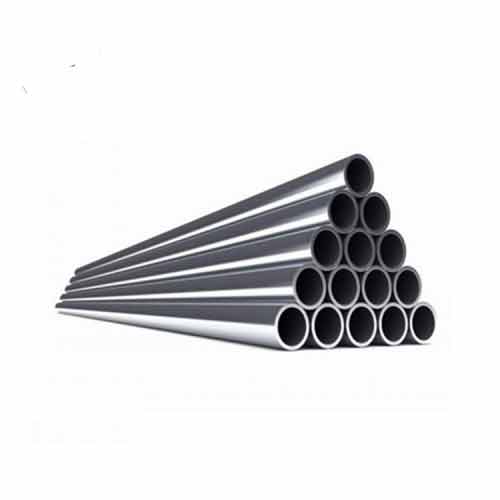
Bridge construction demands scaffolding systems that balance strength, stability, and adaptability to support massive structures and worker safety. Scaffolding metal pipes, typically made from high-strength steel, emerge as the backbone of such systems, offering unmatched load-bearing capacity and durability. Unlike temporary wooden supports, these pipes form a rigid framework capable of withstanding dynamic loads from wind, equipment, and human activity, ensuring the bridge’s formwork, girders, and suspension elements remain secure during critical phases like concrete pouring or steel assembly. Their uniform cylindrical shape also simplifies modular assembly, allowing rapid adaptation to the complex geometries of bridge piers, abutments, and long spans.
The material properties of scaffolding metal pipes are engineered for bridge environments. Manufactured from carbon or alloy steel with strict tolerance controls, they exhibit high tensile and compressive strength to resist deformation under heavy loads. A protective coating, often galvanized or painted, shields against rust induced by exposure to rain, humidity, and de-icing agents common near waterways. The hollow interior reduces weight without compromising structural integrity, easing manual handling and transport across challenging construction sites. These attributes collectively ensure the scaffolding maintains its geometric precision, critical for aligning bridge components accurately.
Structural design innovations enhance the pipes’ utility in bridge projects. Couplers and connectors—such as right-angle clamps, swivel joints, and base plates—enable the creation of three-dimensional frameworks that distribute weight evenly. For tall bridge piers, diagonal bracing using metal pipes prevents buckling, while cantilevered extensions support formwork for overhanging bridge decks. Adjustable U-head jacks allow fine-tuning of height to match uneven terrain, and guardrails integrated into the pipe system provide fall protection for workers operating at elevated levels. This adaptability makes metal pipes suitable for diverse bridge types, from arch to cable-stayed designs.
Safety compliance is paramount in bridge scaffolding. Pipes undergo rigorous testing to meet international standards for load capacity, ensuring they can handle not just static weight but also dynamic forces like crane movements or sudden gusts of wind. Regular inspections check for dents, corrosion, or loose connections, with damaged pipes replaced immediately to prevent collapse risks. Additionally, the open design of pipe scaffolding improves ventilation and visibility, reducing hazards associated with confined spaces. Training programs for workers emphasize proper assembly and load limits, reinforcing a culture of safety.
In summary, scaffolding metal pipes are indispensable in bridge construction, merging strength, flexibility, and safety to support monumental engineering feats. Their ability to form stable, adaptable frameworks—coupled with corrosion resistance and ease of assembly—makes them the preferred choice for erecting bridges that connect communities. By ensuring structural integrity during construction, these pipes play a silent yet critical role in delivering durable, iconic infrastructure.
Previous article:Durability of Galvanized Pipe
Next article:The Durable Conduit: Understanding Galvanized Pipe
Hot products
Mobile: +86 15369229308
Email:metalproducts2025@163.com
Email:565169797@qq.com