The Durable Conduit: Understanding Galvanized Pipe
Release time:2026-01-11 Click:20
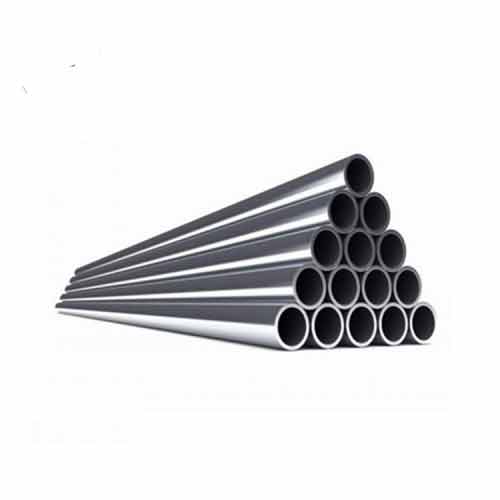
Galvanized pipe is steel pipe that has been coated with a protective layer of zinc to prevent rust and corrosion. This process, typically achieved through hot-dip galvanization, involves immersing the steel pipe in molten zinc, creating a metallurgical bond that forms a robust barrier against moisture and environmental elements. Historically, galvanized pipe was the standard material for residential water supply lines and remains widely used today for outdoor, industrial, and structural applications where durability is paramount.
The primary advantage of galvanized pipe is its extended lifespan in harsh conditions. It is commonly employed for fencing frames, handrails, scaffolding, and as conduit for electrical wiring. Its strength makes it suitable for supporting structures, while its corrosion resistance is valuable for exterior plumbing vents, downspouts, and agricultural uses. However, for modern potable water systems, it has largely been replaced by copper, PEX, and CPVC due to the risk of internal corrosion over decades, which can reduce water flow and potentially introduce rust into the water.
When working with galvanized pipe, it is important to recognize its limitations and proper handling. Cutting or welding galvanized pipe releases toxic zinc fumes, requiring proper ventilation and respiratory protection. Over time, the zinc coating can wear or chip, especially at threaded joints, which may then become susceptible to rust. Despite the shift in plumbing materials, galvanized pipe continues to be a cost-effective and reliable choice for a vast array of non-potable, structural, and outdoor projects where its strength and protective coating are essential.
Previous article:Scaffolding Metal Pipe for Bridge Construction
Next article:Galvanized Pipe Provides Long-Lasting Corrosion Resistance for Plumbing and Structural Uses
Hot products
Mobile: +86 15369229308
Email:metalproducts2025@163.com
Email:565169797@qq.com